Assessment & Design together
When you know roughly what you want (a pollinator garden, a food garden, less lawn), we assess the site and design it in one phase, then quote the build.
- Free consultation
- Assessment & Design
- Implementation
Services · Cleveland & Cuyahoga County
We turn lawns and tired yards into native, food-producing gardens that support local wildlife. One phase at a time, with no synthetic chemicals, and with Ryan on every project.
How a project works
Every project begins with a free visit to your property. From there you choose how far to go, and nothing moves forward until you're ready.
When you know roughly what you want (a pollinator garden, a food garden, less lawn), we assess the site and design it in one phase, then quote the build.
If you're still weighing options, the assessment comes first as its own phase. What we learn about your sun, soil, water and existing plants shapes what's worth designing.
Every phase is quoted and billed separately, and you can stop after any of them. Take the design and build it yourself, or pause between seasons. It's your call.
The phases in detail
We read your property the way an ecologist would, so every decision after this is grounded in what's really there.
A Site Ecology Report, often 20+ pages, with written recommendations and priorities.
A plan for your space that works like a natural ecosystem: layered, diverse, and mostly able to take care of itself.
A quote to build it. Or take the plan and install it yourself.
We build it by hand, the careful way, and show you how to look after it.
No fertilizers, pesticides or herbicides, except targeted treatment of invasive species where hand removal won't work.
Gardens change a lot in their first few years. We stay involved as much or as little as you like.
New plantings need the most attention in year one. After that, native gardens need far less work than lawn.
Pricing
There's no price list, because every site is different. These ranges show where most projects land.
| Phase | Under ½ acre | Over ½ acre |
|---|---|---|
| Free consultationOn-site visit and goals | $0 | $0 |
| Site Assessment & DesignIncludes the Site Ecology Report | $600–$1,400+ | $1,200–$3,000+ |
| ImplementationQuoted after design | $800–$2,000 | $1,600–$5,000+ |
Materials plus the time and effort your site needs. You get a written proposal before every phase.
Half when a phase begins and the balance when it's complete. Stop after any phase.
$65 per hour plus disposal, with a free look during your consultation.
Invasive plant removal
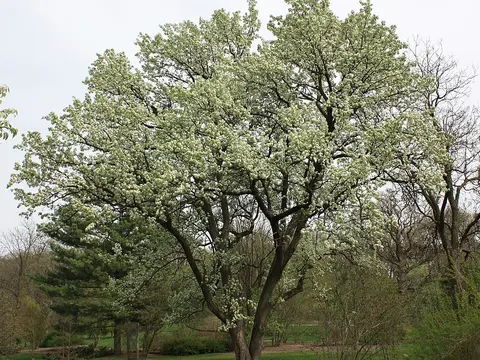
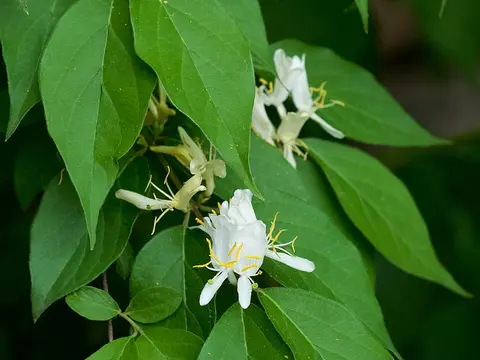
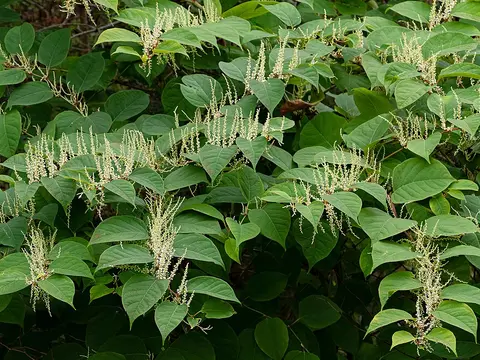
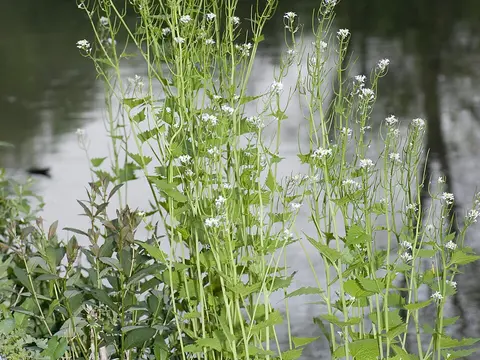
Honeysuckle, buckthorn, Callery pear and knotweed are smothering Ohio's yards, ravines and parks. We clear them out and replant with natives so they don't come back.
$65/hr plus disposal · Serving all of Northeast Ohio
How we work
No fertilizers, pesticides or herbicides. Targeted treatment of invasive species is the only exception.
We lift turf manually and build soil in its place: no sprays, and no bare ground left to wash away.
Plants that evolved here feed local pollinators and birds and thrive with less water and care.
Plant choices come from county-level native species, climate and invasive-species data.
Rain gardens, barrels and living soil soak up storms instead of sending them down the drain.
Ryan, a certified permaculture designer, is on every project, from the first visit to the last plant.
We hired Urban Permascapes to replace our front lawn with native plants, install a rain barrel, and set up a compost system. We could not be more pleased with the results. The experience was great, and I was thoroughly impressed by the 23-page ecology report and design plan Ryan shared with us, including an existing plant inventory highlighting native vs nonnative vs invasive species. He also removed our invasive species, and was all around generous with his knowledge. I'm giddy over our new front yard and cannot wait to watch it grow!
Who we work with
Front yards, backyards and side lots across Cleveland and Cuyahoga County, whether it's a single pollinator bed or a whole-yard transformation.
Community gardens, urban farms, schools and places of worship. See our work with Vel's Purple Oasis.
Storefront plantings, courtyards and multifamily grounds that look good and work hard for local wildlife.
When to book
Planting days fill up fast. Reach out a season ahead for the best timing.
Planting season, lawn removal and new gardens.
Care visits, invasive removal and site assessments.
The second planting season, and the best time for trees and shrubs.
Design season: plans are ready for spring.
Questions
Every phase is priced from the cost of materials plus the time and effort your site needs, so no two projects cost exactly the same. After the free consultation you get a written proposal with the price for the next phase before any work starts.
No. Each phase is quoted and billed on its own, and you can stop after any of them. Plenty of people take the design and install it themselves, or build it in stages over a few seasons.
It's a detailed report, often 20 pages or more, covering your property's sun, soil and water, the native species of your county, climate considerations and invasive plants to watch for. It includes an inventory of the plants already growing on your site, marked native, non-native or invasive.
No synthetic fertilizers, pesticides or herbicides. The one exception is invasive species that can't be controlled by hand, like tree-of-heaven or Japanese knotweed, where we use targeted cut-stump or spot treatments, never broadcast spraying.
Yes. Every design comes with a plant list, sources and seasonal care instructions, so you can build it yourself. If you'd like help, we'll quote the implementation after you've seen the design.
Design and installation cover Cleveland and the rest of Cuyahoga County. Invasive plant removal is available across Northeast Ohio, including Lake, Geauga, Summit, Medina and Lorain counties.
Each phase is billed on its own: half when the phase begins and the balance when it's complete. Invasive removal is billed at $65 per hour plus disposal.
Yes. Seasonal care visits can be once a season or once or twice a month, and every client gets free monthly check-ins through the growing season to make sure everything is thriving. If a check-in turns into hands-on help, it's billed per visit.
Free consultation
Tell us a little about your space. Ryan will get back to you within two business days to set up a free on-site consultation.
Prefer to talk? Call (216) 815-0502 or email info@urbanpermascapes.com.