They crowd out natives
Many leaf out earlier and hold their leaves later than native plants, shading out wildflowers and tree seedlings until a thicket is all that's left.
Invasive plant removal · Northeast Ohio
Bush honeysuckle, buckthorn, Callery pear and Japanese knotweed are crowding out Ohio's native plants in backyards, ravines and parks alike. We remove them carefully, mostly by hand, and replant with natives so they stay gone.
Why it matters
They were brought here as ornamentals and hedges, and they spread faster than anything can keep them in check.
Many leaf out earlier and hold their leaves later than native plants, shading out wildflowers and tree seedlings until a thicket is all that's left.
Most native insects can't eat them. Fewer caterpillars means less food for nesting birds, and a quieter yard.
Birds, wind and water carry seeds from yards into Cleveland's parks, ravines and nature preserves, so every yard cleared helps.
How we remove them
On a walk-through we identify every invasive on the property, map the worst patches and set priorities that fit your budget.
Pulling, digging, cutting and hauling. Most invasives in a typical yard can be cleared without any chemicals at all.
Some species, like tree-of-heaven and Japanese knotweed, resprout from their roots when cut. For those we use targeted cut-stump or spot treatments, never broadcast spraying.
Bare ground invites invasives back, so we replant with natives and return to pull regrowth while the new plants settle in.
$65 per hour plus disposal. We'll take a free look at your invasives during the consultation and estimate the hours your site needs. Follow-up visits are billed the same way.
Species guide
These are the ones we find most often in Cleveland-area yards. Spot one on your property? We can help.
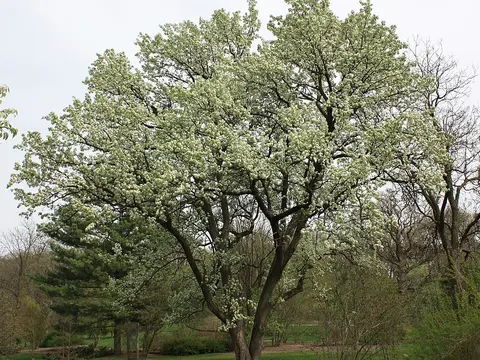
Pyrus calleryana
Photo: Bruce Marlin · CC BY · Wikimedia Commons
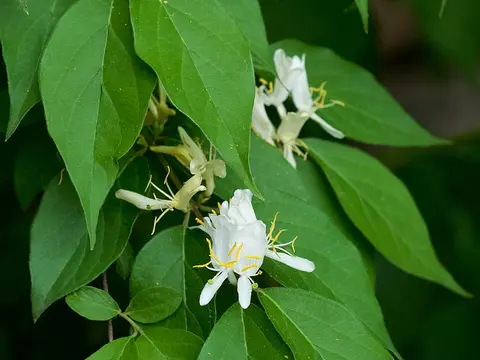
Lonicera maackii and relatives
Photo: Eric Hunt · CC BY-SA · Wikimedia Commons
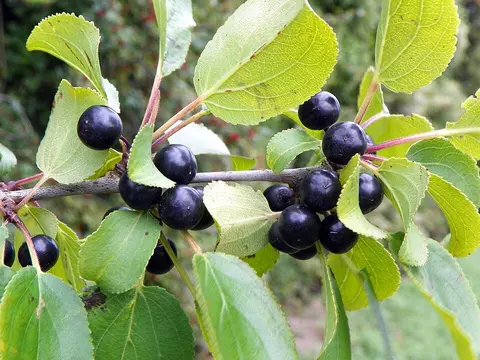
Rhamnus cathartica, Frangula alnus
Photo: AnemoneProjectors · CC BY-SA · Wikimedia Commons
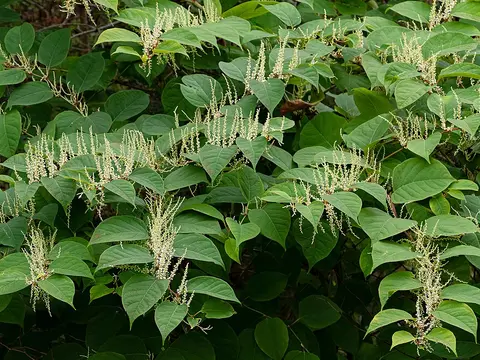
Fallopia japonica
Photo: W.carter · CC0 · Wikimedia Commons
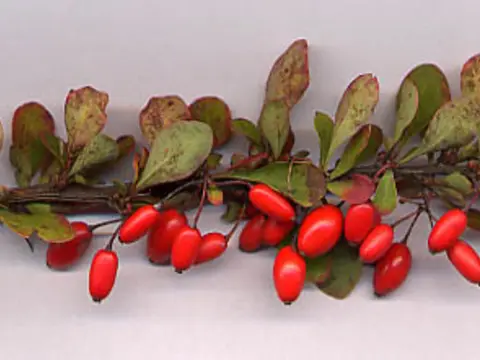
Berberis thunbergii
Photo: User:MPF · CC BY-SA · Wikimedia Commons
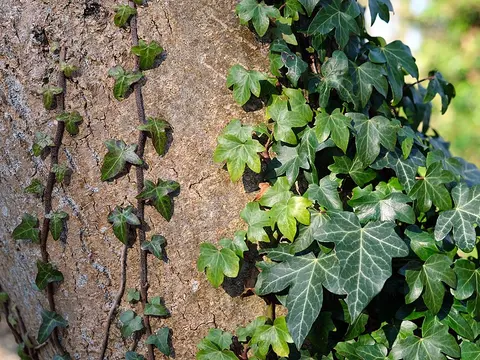
Hedera helix
Photo: kallerna · CC BY-SA · Wikimedia Commons
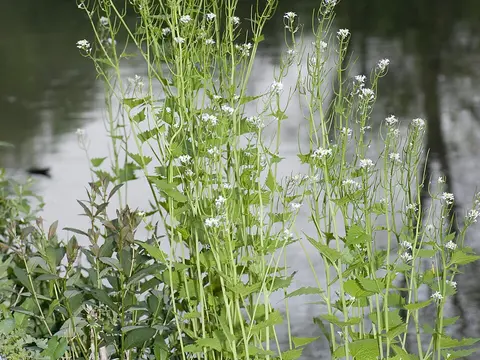
Alliaria petiolata
Photo: O. Pichard · CC BY-SA · Wikimedia Commons
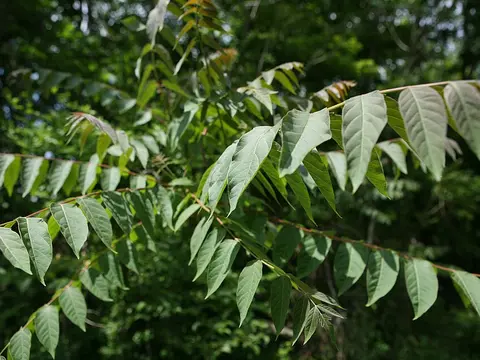
Ailanthus altissima
Photo: Wayne National Forest · CC BY · Wikimedia Commons
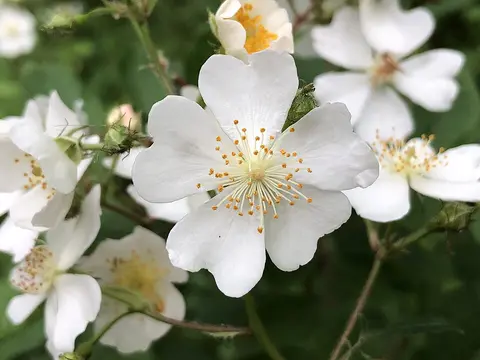
Rosa multiflora
Photo: Famartin · CC BY-SA · Wikimedia Commons
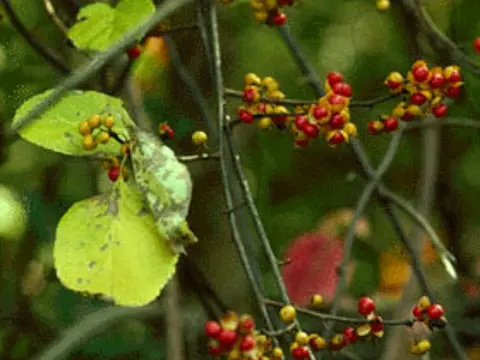
Celastrus orbiculatus
Photo: Unknown · Public domain · Wikimedia Commons
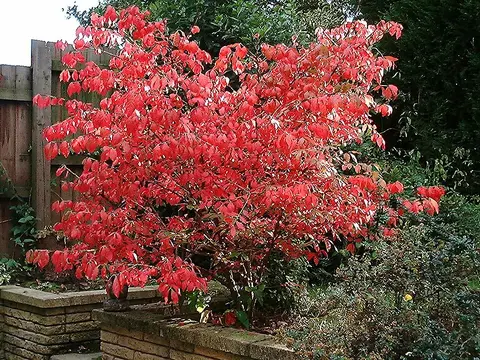
Euonymus alatus
Photo: Chris Barton/Gif absarnt · CC BY-SA · Wikimedia Commons
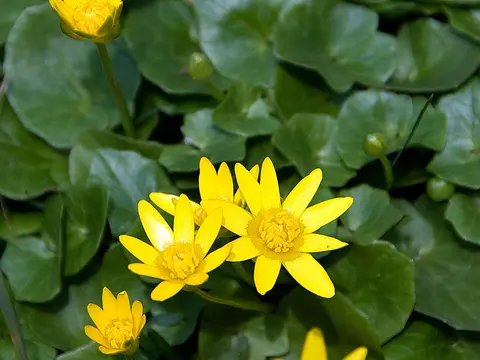
Ficaria verna
Photo: Michal Osmenda from Brussels, Belgium · CC BY-SA · Wikimedia Commons
Sale status comes from Ohio Administrative Code 901:5-30-01, Ohio's invasive plant rule. Photos are by Wikimedia Commons contributors, used under the licenses shown.
We hired Urban Permascapes to replace our front lawn with native plants, install a rain barrel, and set up a compost system. We could not be more pleased with the results. The experience was great, and I was thoroughly impressed by the 23-page ecology report and design plan Ryan shared with us, including an existing plant inventory highlighting native vs nonnative vs invasive species. He also removed our invasive species, and was all around generous with his knowledge. I'm giddy over our new front yard and cannot wait to watch it grow!
What to plant instead
Looking for the right native for your yard? Search your county in our free Native Plant Finder, or browse native plants of Ohio.
Spring blossoms, and berries or seeds that wildlife actually eat.
Brilliant red fall color from shrubs native to Ohio.
Tough, deer-tolerant native shrubs with year-round interest.
Shade-loving native groundcovers that stay put.
Questions
$65 per hour plus disposal. We take a free look at your invasives during the consultation and estimate the hours your site needs. Follow-up visits for regrowth are billed the same way.
Only when hand removal won't work. Species like tree-of-heaven and Japanese knotweed regrow from their roots when cut, so we apply a targeted cut-stump or spot treatment to the invasive plant itself. We never broadcast spray, and we don't use herbicides anywhere else in our work.
Cleveland and all of Cuyahoga County, plus Lake, Geauga, Summit, Medina and Lorain counties in Northeast Ohio.
Seeds can survive in the soil for years and birds keep bringing new ones, so follow-up visits matter. Replanting with natives shades out new seedlings and makes regrowth easy to catch early.
We bag or haul them away so seeds and root fragments don't spread to new ground. Disposal fees are added to the hourly rate.
Absolutely, and the guide on this page shows how to spot the most common ones. Small seedlings and garlic mustard pull easily, especially before they set seed. For large shrubs, vines climbing trees or knotweed, professional help saves time and cuts down on regrowth.
Get started
Tell us what's growing and where. The consultation is free, and there's no obligation.


,_fruit_(19860624419).jpg)


.jpg)


_cropped.jpg)